

Earth Day Assignment
An Experiment in Interspecies Solidarity

In response to the unprecedented assault against our public lands; in response to the utter inefficacy of our governing bodies to enact any meaningful or lasting protections for those lands; in response to the abject failure of establishment politicians to mount an effective opposition to the expansion of environmental atrocities that darken our door at the hand of Christofascist corporatism—this Earth Day, we have a special assignment for our followers.
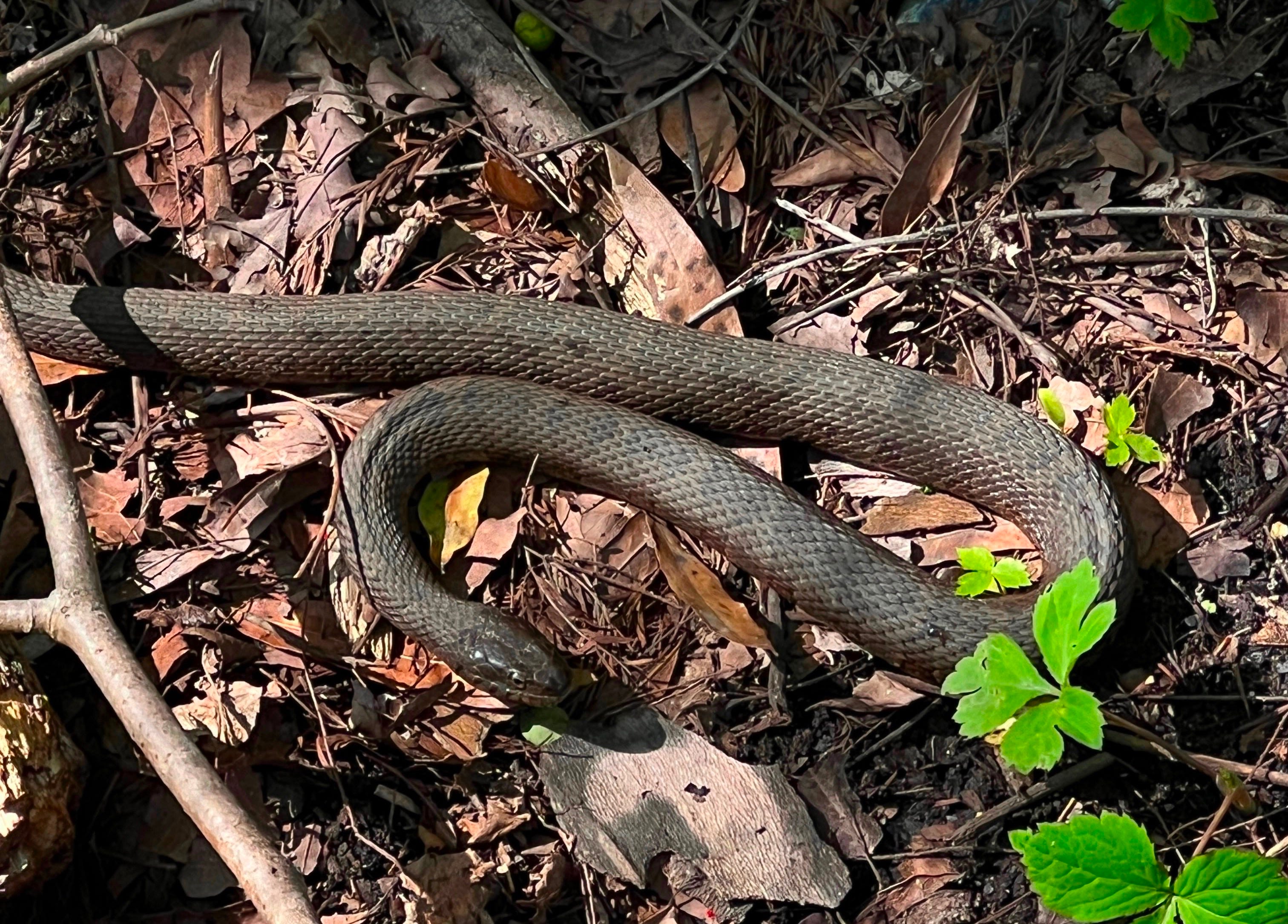
Today, we call upon each of our followers to make a plan to invest time researching and preparing to defend one (1) local species.
This post won’t reach each of our followers, but if it did, and if we all participated—that would amount to a citizen-based research and defense mobilization of 20,000 people on behalf of hundreds, and maybe thousands, of species. In the face of the devastating onslaught of ecological degradation we face in the current moment, this style of autonomous interspecies mobilization would be the environmental embodiment of the dictum: We take care of us!
Below, we have outlined guidance for how to participate in this project. Inevitably, as you research your chosen species, you will learn about many more associate species on this journey, but we believe an enormous amount of change could happen if we each directed extra effort into befriending a single local species to the extent that we are prepared to defend their habitat.
If you know the species with whom you would like to invest time building a relationship, drop it in the comments! Don’t overthink it! Google “native fish species near Neon,” or “Native plants in Kingsport,” or “Native birds in Western NC,” or “Native frogs in Blacksburg,” or “Native beetles in Maggie Valley.” When you feel drawn to one, follow that intuition! It is great to choose a posterchild species if you feel drawn to one (meaning species that are overrepresented in popular discourse, like the monarch butterfly, the black bear, the brook trout, the eastern hemlock, etc), but we encourage you to branch out into lesser known species!
Phase 1: Research
What is the evolutionary history of the species?
What are the characteristics of the local habitat this species occupies?
What are the species’s behavioral characteristics? How does it move? What does it eat? What eats it? How does it reproduce?
What associate species are integral for the survival of your species? What other species are dependent on the one you selected?
How has the species been impacted by colonization and extractive capitalism? How have development, extraction, climate change, and habitat destruction affected its range and distribution?
What is the conservation status of the species? What conservation successes and failures have occurred in recent decades? What are the primary threats to the species current habitat?
Phase 2: In situ field trip
Now that you have learned about your selected species, including its preferred habitat, is there a way you can visit and observe it in situ (that means “in its natural place”)? This will be easier for some plant species, but may require more of an involved journey for animals. Are there multiple ecological contexts where your species takes up residence? How many of those can you visit this year?
If it isn’t immediately clear how to make a successful field trip happen on your own, are there local conservation orgs who you may be able to consult for guidance? If you cannot visit the species in situ due to accessibility, are there orgs who work with the species in captivity who could introduce you to the species and teach you more about how to strengthen your relationship with it?
Phase 3: Prepare to defend
In a society relentlessly devoted to extraction and profit seeking—a society where environmental protections are rapidly evaporating before our eyes—we must prepare to defend the earth outside of the ballot box. In a society where fascistic corporatists are rapidly encroaching against the constricted and fractured habitats that remain, voting simply is not a viable solution.
As you learn about and build affinity with your selected species, begin asking yourself what steps you are willing to take to protect its habitat. What is your level of capacity and personal risk threshold? Does your capacity max out at calling officials to advocate for the species you selected when its habitat is being threatened? Would you volunteer with a local organization who protects that species? Would you restore habitat at your home? Are you willing to march or occupy space over a long period of time on its behalf? Would you organize a tree sitting? Camp by a stream? More?
Write your strategy down, and take proactive steps to prepare to enact that strategy. Find likeminded folks in your locale or region who may be interested in collaborating to protect your species habitat. Maybe someone else in your locale has seen this post and selected a species who lives in the same habitat. Maybe you’ll go herping in the rain together. Maybe you’ll kiss under a rocky outcrop. Maybe you’ll fall in love. Maybe you’ll struggle alongside that person.
As the spiral of extinction and ecological collapse swirls around us, we can no longer afford to settle when it comes to the survival of our precious ecosystems. Our governing bodies have failed us time and again. Not only have our institutions failed to provide robust and lasting protections, but they have repeatedly collaborated with corporations in their assault against the natural world. Let’s take this small step together as we prepare to renew our opposition to the forces that seek to destroy the diverse ecologies of Appalachia, and across the globe.